
What the FxPro account is, and what it is not
The apps this site reads are published under the FxPro name. This page states only what the broker itself publishes in the text this site could read, and what Indian rules say about sending money abroad. It is a factual page about the account, not a sales page.
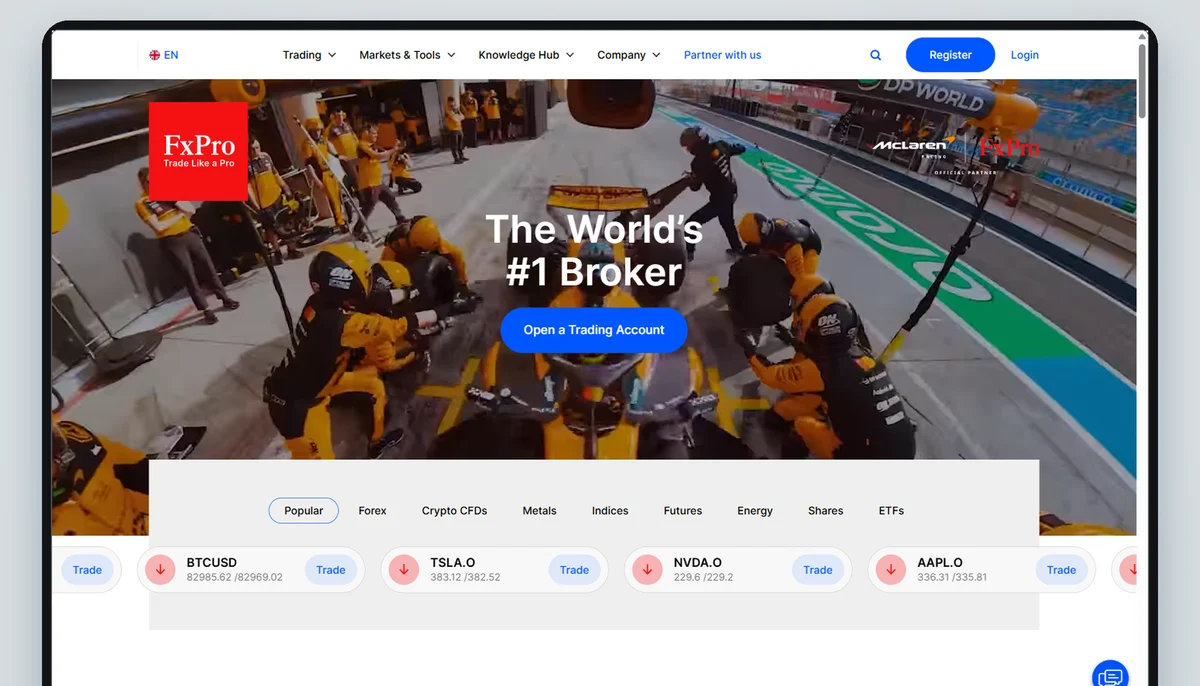
A position on a price held by a foreign firm, beside shares held in your own demat account
What FxPro offers is contracts for difference, or CFDs. A CFD is a contract on a price: you agree with the broker to exchange the difference between the price when the contract is opened and the price when it is closed. Nothing is delivered and no asset is held in the client's own name. That is the first difference from a share bought on an Indian exchange and held in a demat account, where the share is registered in your name and you own a piece of the company.
A CFD position is a claim against the broker, not against the market. If the broker fails, the claim is against the broker's estate under the law of the country where the entity is based. A share in a demat account is a claim against the company, and the depository holds the record. The two are not the same kind of property, and a reader should not confuse them.
What a licence issued abroad does and does not do for a resident of India
FxPro states that it operates through several regulated entities, and that the entity an account is opened with depends on the client's country of residence. A licence issued by a foreign regulator means the broker is supervised in that country for the activities the licence covers. It does not mean the broker is licensed by an Indian regulator, and it does not mean the broker is subject to Indian securities or banking law.
For a resident of India, the practical consequence is that a dispute with the broker would be heard under foreign law and in a foreign forum. The Indian reader should not assume that the protections of Indian financial regulation apply to money sent to the broker. The licence abroad is a fact about the broker, not a fact about the reader's safety.
The rules on sending money abroad that apply before any app is opened
Indian foreign-exchange rules restrict remittances abroad for margin trading in currencies, and a transfer to an overseas broker may be refused by the bank. The rule is about the purpose of the remittance, not about the broker. Even if the app is installed and the account is verified, the money must still pass through an Indian bank, and the bank must be satisfied that the remittance is permitted.
The reader should check with their bank before opening a live account, and should not assume that a small transfer will pass unnoticed. The bank's compliance department is not the broker's, and the broker cannot override the bank's refusal. The app is a foreign broker's app; whether Indian foreign-exchange rules allow the money to reach it is a separate question, and it is answered by the bank, not by this site.
FxPro is not registered with the Securities and Exchange Board of India. The licences it publishes are issued in the United Kingdom, Cyprus and The Bahamas, so a resident of India deals with a foreign firm and the protections of an Indian-registered intermediary do not apply. Indian foreign-exchange rules restrict sending money abroad for margin trading in currencies, and the Reserve Bank of India publishes an alert list of unauthorised forex platforms; check both before sending any money. Nothing on this site is investment advice.
An app listing is not an account
What these pages read is the store's side: the listing. Opening a live account is a separate step with the broker, with identity checks and, for money sent abroad from India, rules that sit outside any app. Read the broker page before you decide, and do not trade with money you cannot afford to lose.
Read what the account involves →